
Journal · 12 December 2022
Process of buying land in Indonesia
The process of buying land in Indonesia can vary depending on the type of land you are looking to purchase and your specific circumstances.
By Nicholas Birrell
The process of buying land in Indonesia can vary depending on the type of land you are looking to purchase and your specific circumstances. In general, however, the following steps are typically involved in the process of buying land in Indonesia:
-
Determine the type of land you are looking to purchase. In Indonesia, there are three main types of land: state-owned land, privately-owned land, and customary land.
-
Obtain the necessary approvals and permits. Depending on the type of land you are looking to purchase and the intended use of the land, you may need to obtain various approvals and permits from the relevant government agencies. For example, if you are looking to purchase state-owned land, you will need to obtain permission from the Ministry of Agrarian Affairs and Spatial Planning.
-
Conduct a due diligence review. Before purchasing land in Indonesia, it is important to conduct a thorough due diligence review to ensure that the land is free from any encumbrances or other issues that could affect your ownership of the land. This may include conducting a title search, checking for outstanding liens or mortgages, and verifying the boundaries of the land. It is also important to know that a significant proportion of land in Indonesia does not have a certificate of title. This type of land purchase has it’s own additional risks that need to be navigated in the purchase process.
-
Negotiate and sign a purchase agreement. This is called an Akta Jual Beli, or a Deef of Sale and Purchase. Once you have found a piece of land that you would like to purchase, you will need to negotiate the terms of the sale with the seller and sign a purchase agreement. The agreement should include details such as the purchase price, the closing date, and any contingencies or special provisions.
-
Transfer ownership of the land. After the purchase agreement has been signed, the next step is to transfer ownership of the land from the seller to you. This typically involves the registration of the sale with the local land office and the payment of any taxes or fees associated with the transfer of ownership.
-
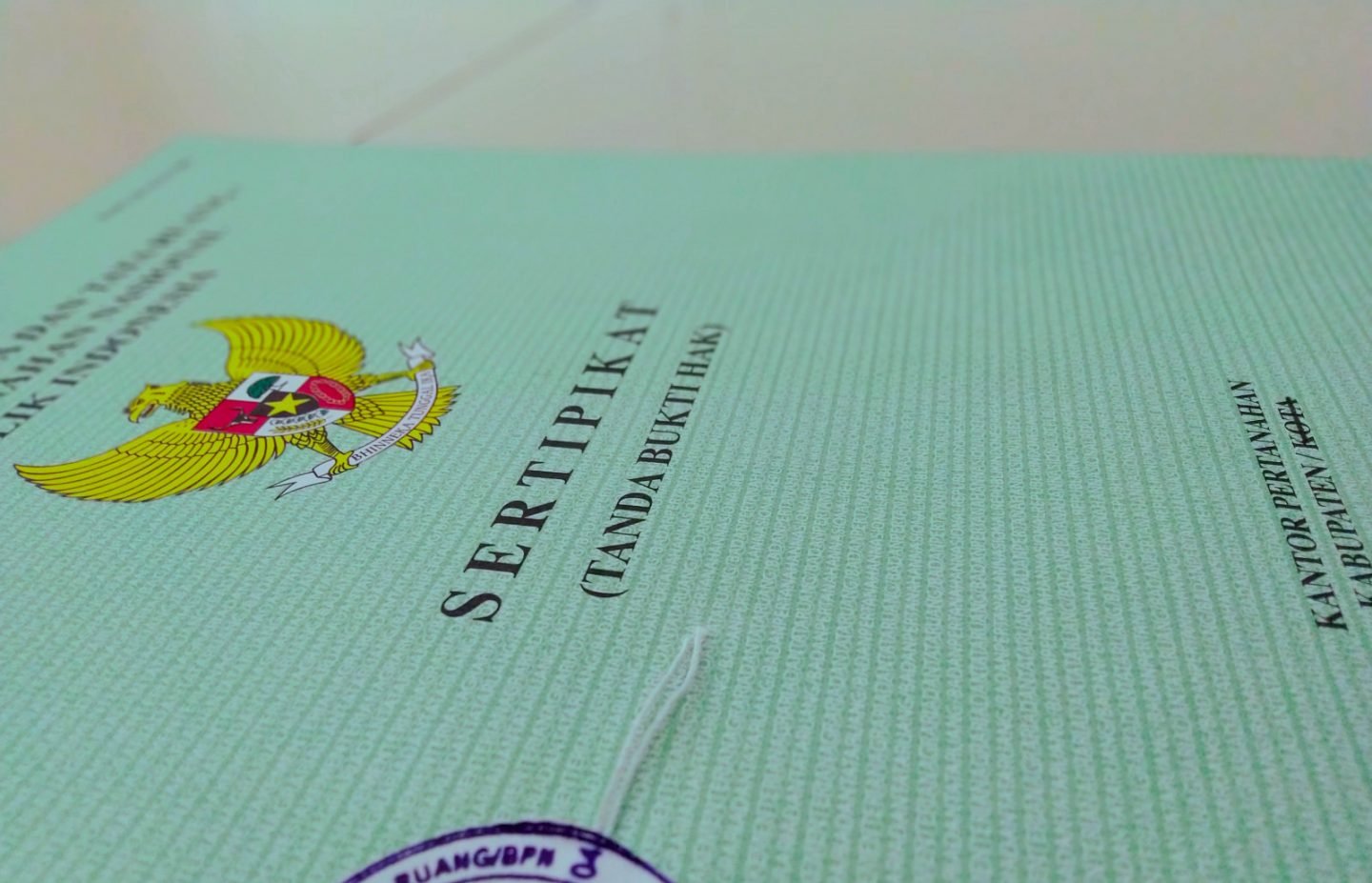
Obtain a certificate of ownership. Once the ownership of the land has been transferred, you will need to obtain a certificate of ownership from the local land office. This document serves as proof of your ownership of the land and is required for various legal and administrative purposes.
Overall, the process of buying land in Indonesia can be complex and time-consuming. This is a summarised version of the steps involved. It is important to seek the guidance of a qualified legal professional to ensure that the process goes smoothly and that your rights as a landowner are protected.
Feel free to connect with us for a no obligation chat if you are looking for support in the investment process.